Travel Tips to Know
About the People
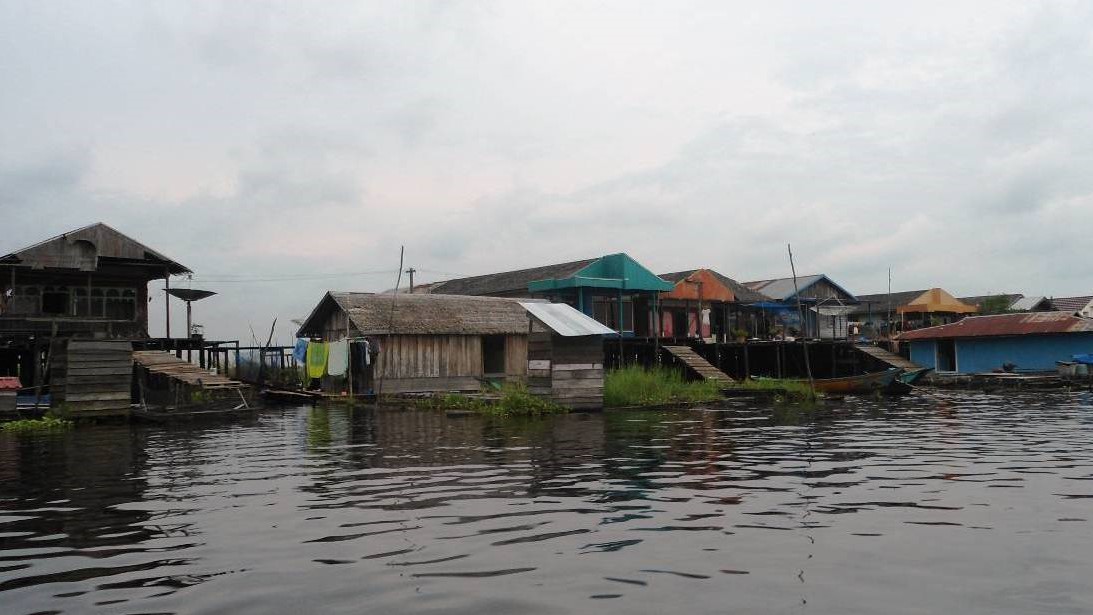
The Dayak people in the villages of Kalimantan are trustworthy and have a good sense of humor. Almost every Dayak tribe is self-sufficient, producing all their own food and supplementing their diet through hunting. Hunting is done either with home-made rifles, blowpipes or packs of dogs and spears, as money is difficult to come by in the hinterland of Kalimantan, isolated from public markets and other sources of cash. De'Gigant Tours™ believes that “soft” tourism can assist the local people economically and help protect forests. You will be warmly welcomed. As there is no English spoken in the hinterland, our English-speaking guides will assist you.
The Weather
While it rains throughout the year in Kalimantan the more “dry season” is July-August, and it is the best time to travel in the coastal line, but for the adventure travellers which wish to get to the deep interior, extra patients wil needed as rivers might at low levels.
December and January have the most rainfall, but there is still a mixture of sun and rain.
Although you will have to contend with hot afternoons and lots of honey bees, in the dry season the forest creatures are at their loudest, leaches are few, trails are dry, and butterflies are plentiful.
In recent years the climate has been more difficult to predict than usual, but the second-best time to visit Kalimantan is December-February when ripe fruit and wild boar are in abundance. October-November tends to be the harvesting season for the Dayak Tribe.
About Our Kalimantan Tours
Our Tour packages are a collection of explorations and dream journeys that reflect the particular passions of travelers and their favorite destinations. We created these trips for those who seek unforgettable experiences of cultures and nature. Participants in De’Gigant Tours™ programs should be in good physical condition, be patient, and adventurous in body and spirit.
Entering Kalimantan via Malaysian Sabah or Sarawak
For information crossing the borders between Malaysian Sabah or Sarawak into Indonesian Kalimantan, click on Things to Know and scroll to Visa, or check online for the latest update information.