Welcome to Kalimantan
Borneo Island has three Nations, two third of the island is “Kalimantan” Indonesian part, Sabah and Sarawak are Malaysian part, and the other part is the tiny oil-rich sultanate, Brunei.
Kalimantan is less visited as an undeveloped rough terrain, tourist are a very few, travel information of this undiscovered jungle-cloaked canopy land, is very limited, as it still is among the most inaccessible parts on earth.
The adventures intrepid explorer will find the real Borneo in the Indonesian Part Kalimantan, cruising its mighty rivers through the jungle bursting wildlife, to the indigenous Dayak tribal longhouse settlements. The rivers are the highways to reach Kalimantan ‘s deep hinterland ecological wealth and culture treasures secret wonders.
With its legacy of Chinese, Malay, Hindu, Muslim, and Dutch influences, there is a virtual mosaic of traditions flourishing in the bustling seaports and riverside cities to be discovered.
The most famous tourist spot at Kalimantan now-a-days is Tanjung Putting National Park, to meet the wild Orangutans at your jungle cruise as a rewarding highlight of your trip.
The East Kalimantan Mahakam River is a cruise into the interior which has its spring in the Heart of Borneo Muller Mountains. The Mahakam river is of high tourist value to cruise to some of the richest flora and fauna of lush rainforest and the land of the Dayak tribes, with private boat transfers, local guides and lots of outdoor activities.
The Derawan Archipelago at the coast of East Kalimantan, with the Islands Sangalaki, Maratua, Kakaban and Derawan Island itself are containing palm fringed white beaches, coral gardens, blue lagoon sea, and the sea stilt houses of the Bajau nomadic seamen tribe.
Indonesian part of Borneo is divided into five provinces North Kalimantan (KALTARA) East Kalimantan (KALTIM), South Kalimantan (KALSEL), Central Kalimantan (KALTENG) and West Kalimantan (KALBAR). It has a total territory of 539,500 sq km, it covers almost 30% of Indonesia’s land area, while the population of 16 million people is only 7% of the total Indonesian population.
Despite exploration and development of Borneo, many areas of Kalimantan are still untouched by the Western world. Tourist facilities are relatively not developed, the tourist visitors remain just few. Except the Good roads are only found near the big coastal cities (there are paved roads between Samarinda and Banjarmasin and around Pontianak), rivers are the main transportation arteries to the hinterland destinations.
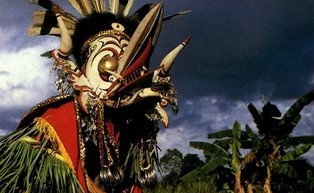
Thanks to the resources exploration, as the oil, coal, gold, and timber industries, the Kalimantan cities are developed. The native Dayak people live deeper inland in their longhouse settlements along the river banks throughout the interior of Borneo. Each Dayak tribe has its own dialect and culture, thriving as forest hunters and gatherers. Other Indonesians consider the Dayaks to be backward because of their headhunting and other animist believe customs. The truth is that they are scrupulously honest by nature, though exposure to Christianity and modern values has muted this trait. Despite exploration and development in the coast, the hinterland of Kalimantan is still rough unknown terrain, and untouched by the adventure tourist, where tourism facilities are relatively zero, and foreign tourist visitors are rare but warm welcome guests.
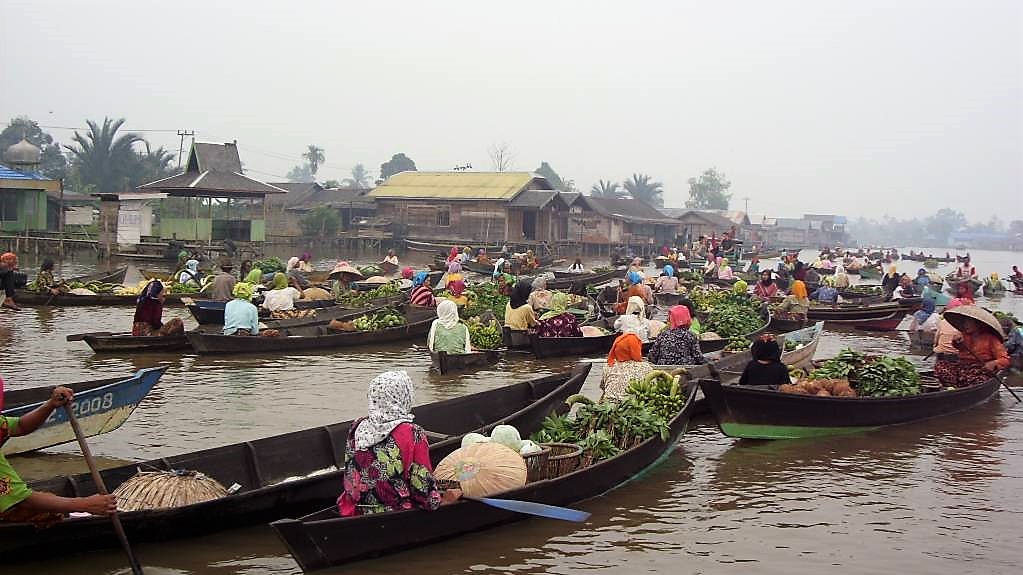
Borneo has no volcanic mountains, the island’s central mountain ranges in the heart of Borneo heavily eroded over thousands of years and are separated by broad river rain forest slopes and valleys. Kalimantan is crisscrossed by giant rivers including the Mahakam River, Barito River, Kapuas River, and the Kayan river, which all find its spring in the deep interior of Borneo, and are therefore the infrastructure channels for tourist who want to explore the wild jungle terrain of Kalimantan.
Travel Conditions
Even with today’s airstrips and river boat connections to the interior of Borneo, Dayak territory is still among the most inaccessible on earth.Our Tour and expedition trips are a collection of explorations of dream journeys that reflect the particular places of interest. We created these tour adventures for those who expect the unexpected, and seek unforgettable experiences of authentic cultures and jungle nature, will enjoy Kalimantan. We highly recommend tourist participants to use Travel Insurance due of the adventures conditions in the wild field terrain of the Island.
FLORA & FAUNA
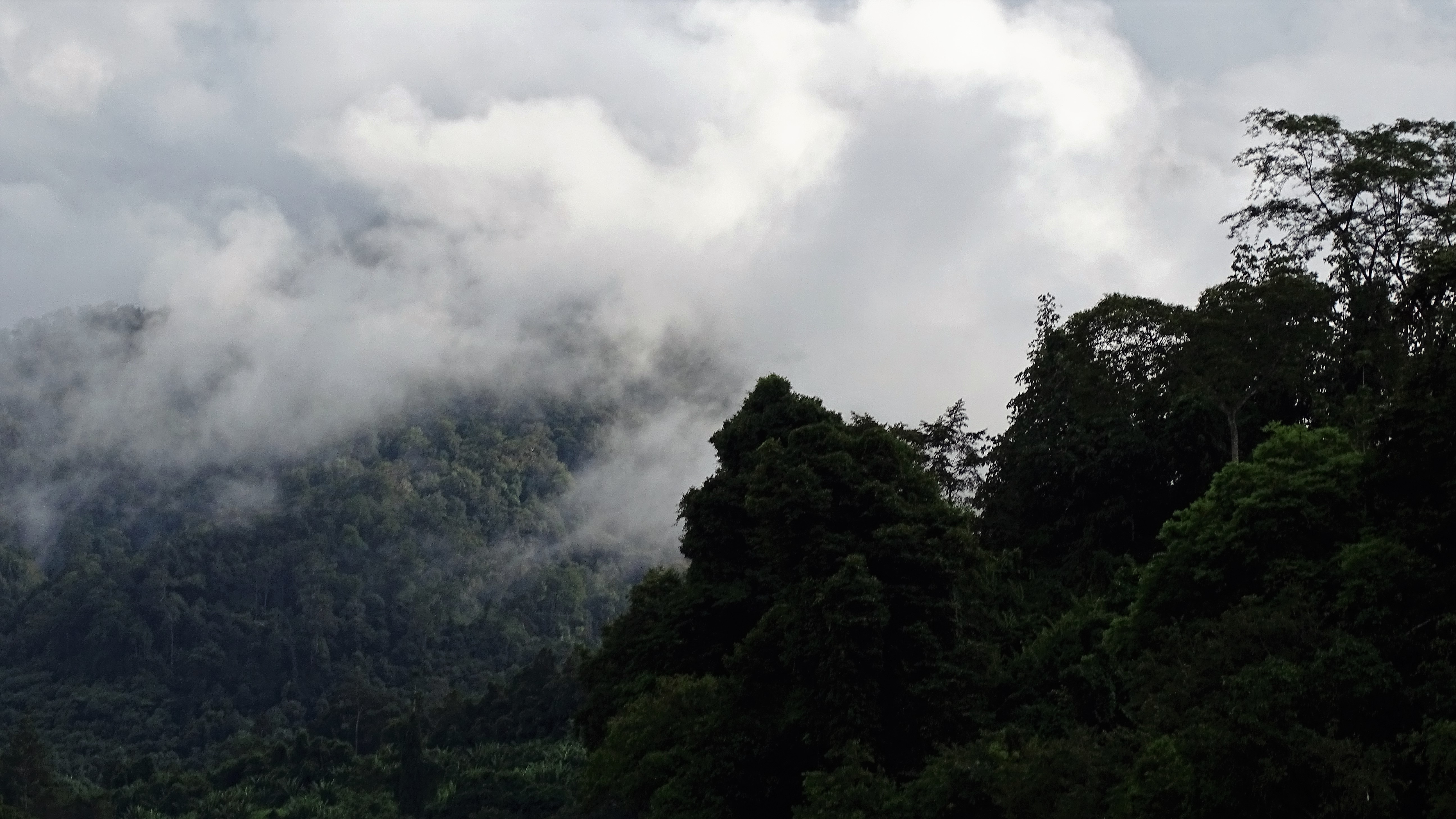
The flora and fauna of Kalimantan’s montane and lowland tropical rain forests is amazing and each is an important genetic resource and wildlife habitat. The "green gold" exploitation that began in the late 1960s has destroyed more then half its forests, but now a turning point is seen as Indonesian government and the local people understand the beauty and wealth of Kalimantan's tropical forests and efforts are being made for tourism development to preserve them.Wildlife spotting opportunities are the best in the heart of Kalimantan or in the national parks or nature reserves. While seeing creatures in the wild can never be guaranteed, visitors can at least get a glimpse of their habitats and experience their environment while waiting to see an orangutan, or rare Borneo endemic animal wildlife and birds.
Kalimantan’s coastline features mangrove swamps and lowland rainforest, and the inland belts of gentle hills and alluvial plains mark the start for the adventure traveler to the deep jungle of Borneo interior. Towering Dipterocarpus trees, valuable ebony, and ironwood trees are scattered throughout. Kalimantan is home to more then half of the world’s hardwood tree species, climbing rattan palms, vines, orchids, ferns, and pitcher plants.
The exotic wildlife is unusually diverse, with orangutans only found on Sumatra and Borneo Islands, along with the Borneo endemic proboscis monkeys, and other forest denizens including Malaysian sun bears, clouded leopards, leaf monkeys, macaques, and pangolins. Many lizard varieties and pythons live in Kalimantan’s jungles, while crocodiles and the last freshwater Irrawaddy dolphins on earth ply the rivers.
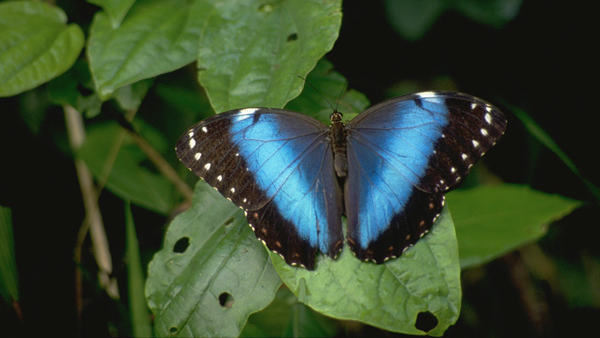
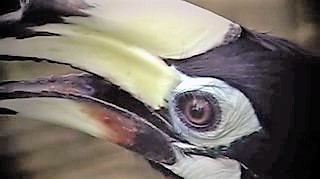
More then 600 bird species make the Kalimantan forests their home, such as the sun birds, pheasants, cockatoos, and spectacular hornbills who rule the rain forest roof. Many kinds of beautiful butterflies and metallic beetles, color this world, along poisonous polypods, spectacular frogs, brightly colored millipedes, and giant walking sticks.