
Visit West Kalimantans Wealth
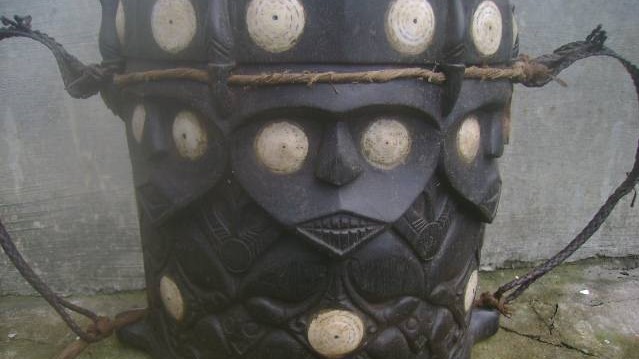
West Kalimantan covers an area of over 146.807 sq km, and remains unexplored by travelers. The Coast area is mainly covered with swamp and counts more than 100 rivers sculpting the flat plains. The Highland mountains covering the eastern part of West Kalimantan province, far away from the cities, where you can find the traditional Dayak settlements. The Dayaks with their traditions and beliefs are expressed in various forms; as earlobes elongated by heavy earnings, tattoos, art full intricate paintings, carving designs and wonderful dances of respect. West Kalimantan is accessible from Jakarta, Surabaya, and Kucing at Sarawak by air. Boat cruises and overland journeys is the best opportunity to see the interior of one of the world's largest and richest island. West Kalimantan province is an important and very attractive province. It is rich in history, culture and has a lot places of interest for the tourist. The province borders on Sarawak, East Malaysia, and the Muller Mountain Range which can be crossed to East Kalimantan, at the west is the South China Sea and the Karimata Strait.
West Kalimantan is rich of minerals and stones. Various valuable minerals are found on and around those mountains, such as gold, mercury, manganese, bauxite, gypsum and kaolin.
Cities as Sambas, Pontianak, Ketapang can be found in the coastal side, surrounded by lowland and swamps.
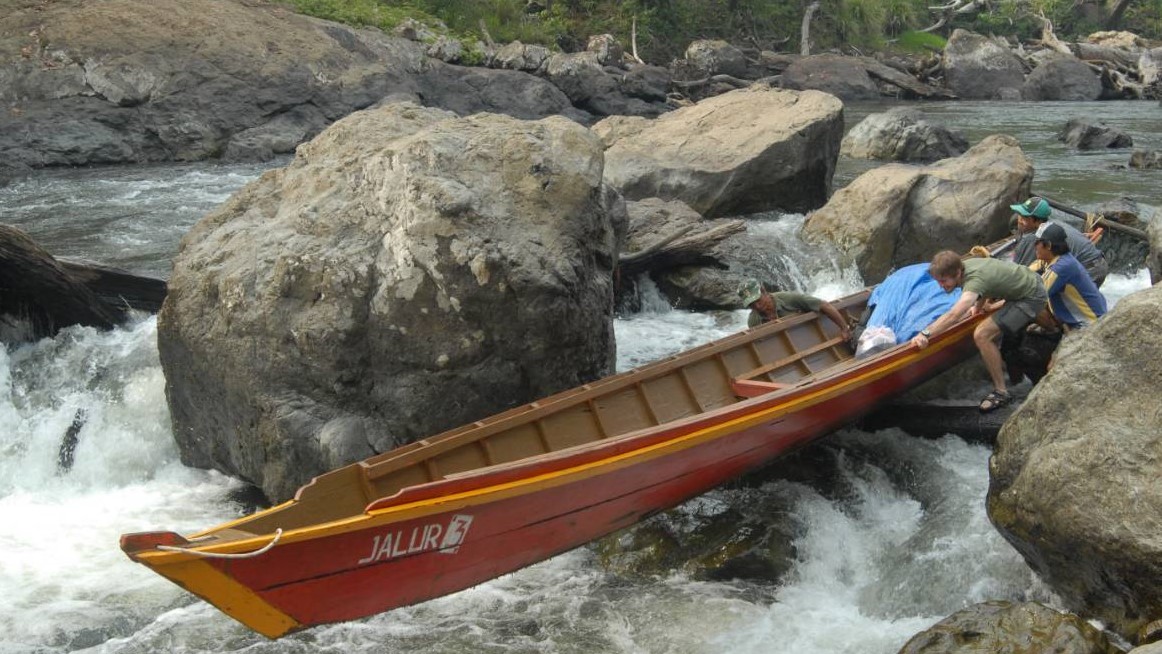
As all over in Kalimantan, the rivers are the main transport "highways" , in West Kalimantan a number of important rivers for the transportation of goods and people are Kapuas River, Sambas River, Sekayam River, Landak River, Melawi River and Pawan River. However, there are rivers that can be navigated only during the rainy season, when the water is high. Bandung is the name of floating houses used to navigate up and 0-downstream the main river, Bandung are not only houses, but is also important transportation tool for the people.
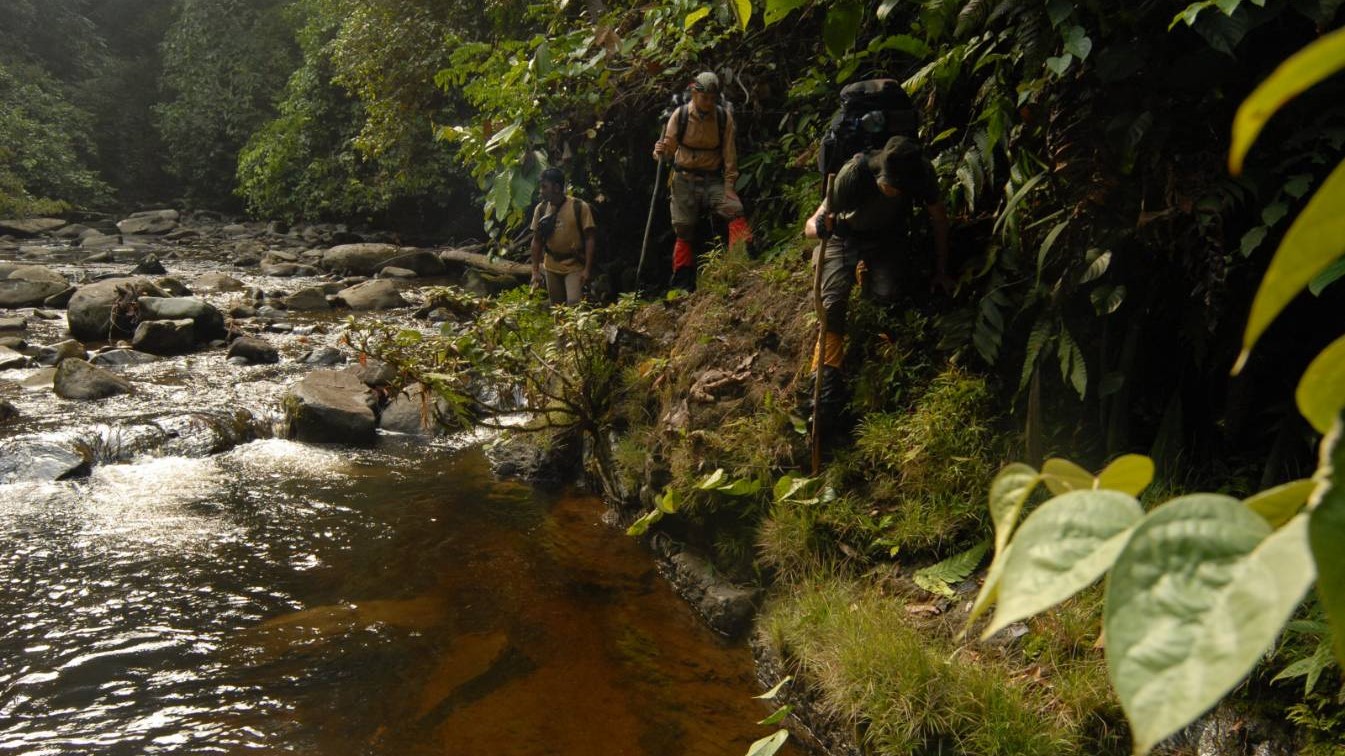
The highlands deep in-land of West Kalimantan are covered with jungle, and still not much trodden by human beings. In the past decades, however, loggers have come to exploit the province's timber resources, but the West Kalimantan jungle is still rich in tropical hardwoods, rattan, candlenut trees, and various raw materials for industrial and popular needs.